
Every Moment
Cruelty Free
Long Lasting
High Performing Fragrance Oil
Ifra Certified
Cruelty Free
Long Lasting
High Performing Fragrance Oil
Ifra Certified
BEST SELLERS
BEST SELLERS
-
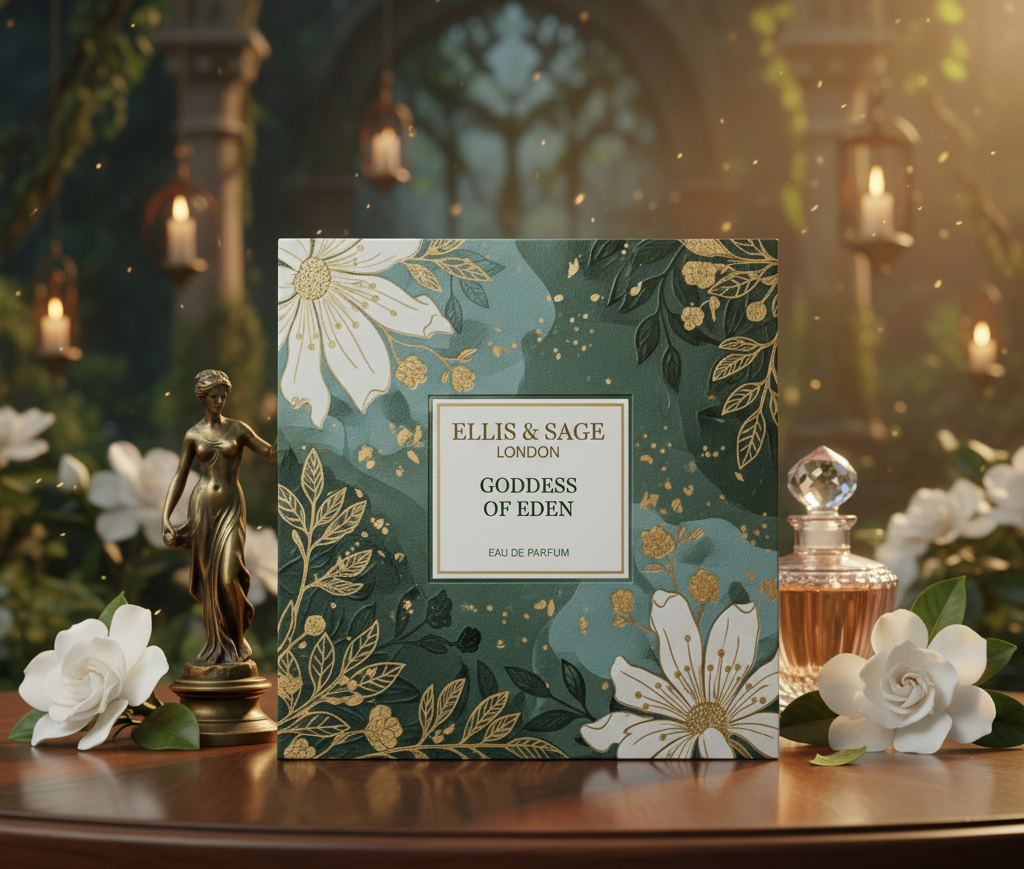
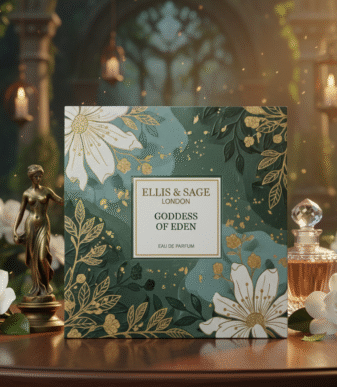
GODDESS OF EDEN - 50ml
₹3,200Original price was: ₹3,200.₹1,599Current price is: ₹1,599. -

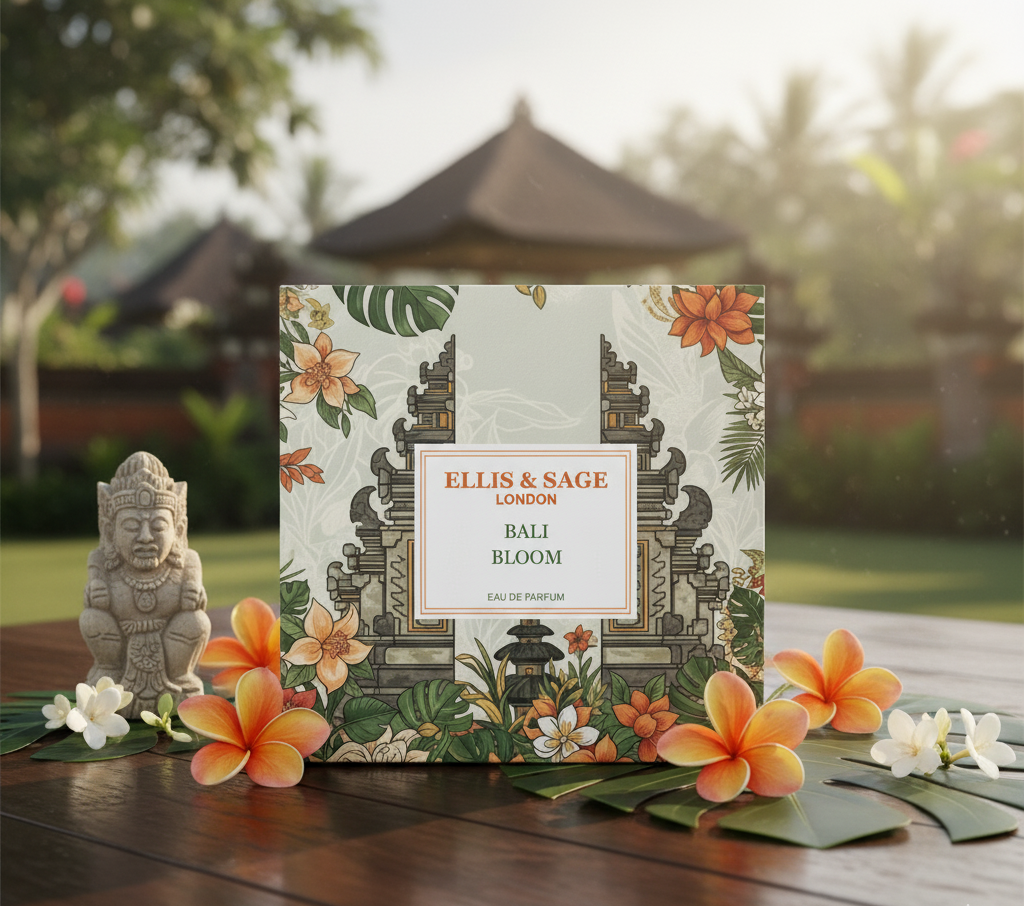
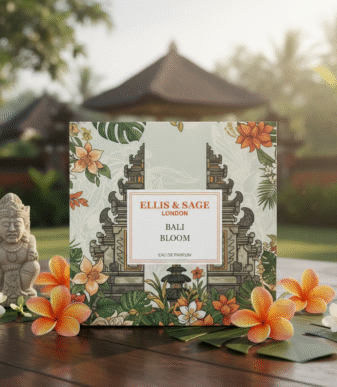
BALI BLOOM - 50ml
₹3,200Original price was: ₹3,200.₹1,599Current price is: ₹1,599.

-
BALI BLOOM - 50ml
₹3,200Original price was: ₹3,200.₹1,599Current price is: ₹1,599. -
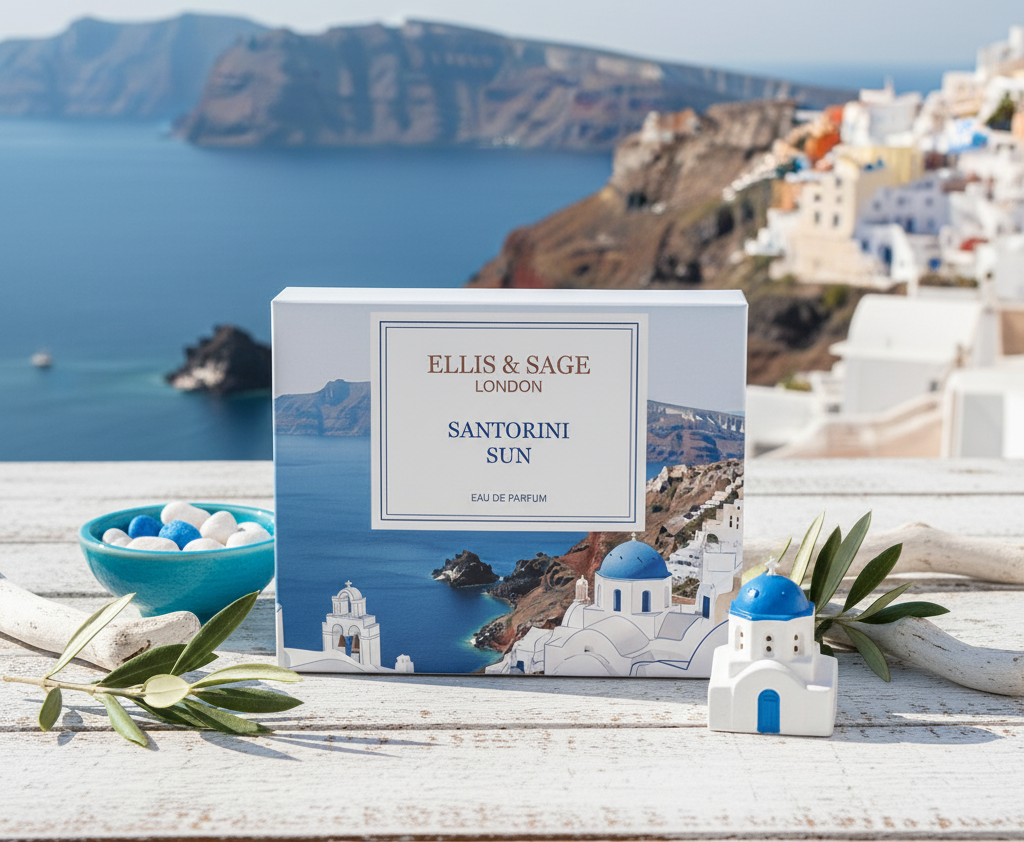
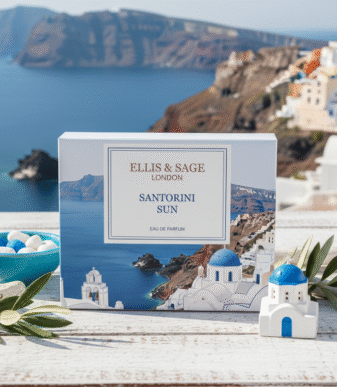
SANTORINI SUN - 50ml
₹3,200Original price was: ₹3,200.₹1,599Current price is: ₹1,599.
of You
Featured Products
The Art of Scent
We believe every person has a unique energy signature.
Our perfumers craft each fragrance to amplify your natural aura, creating scents that don’t just smell beautiful—they make you feel powerful.
Read more
| Note | Description |
|---|---|
| Amber / Amberwood | A unique amber note created by blending orcanox with cinnamon. The result is a warm, woody musky scent that wraps around the skin. A warm and woody accord capturing the ethereal glow of amber. |
| Ambrette Seeds | Created from the seeds of hibiscus, commonly known as the musk mallow, Ambrette lends a musky scent often described as woody, warm, and comforting. |
| Bergamot | Native to Italy, it is believed to be a hybrid of the yellow lemon tree and the bitter orange tree with distinctive, zesty facets. |
| Birchwood | A warm, rich note inspiring a subtle balance of smoky and sweet. Often used in perfumery to create a strong base and relied on for its fixative properties. |
| Broom Absolute | A floral note accented with rose and honey facets and complemented by hay-like undertones. |
| Cedarwood | A sleek and faceted woody note with a tenacious trail and clean wood effect. |
| Coconut | Coconut offers a creamy and toasted gourmand note that infuses warmth and texture into the heart of the fragrance. |
| Crystallized Honey | A blend of sumptuous notes to elicit the addictive allure of sugared honey crystals. |
| Davana | An accord evoking the universally pleasant Davana herb, with sweet and tea-like facets. |
| Fir Balsam | An evergreen tree, native to North America. Its timeless scent is often associated with classic winter time celebrations. |
| Green Fig | A very green, gourmand, milky note with hints of fig leaf. |
| Havana Wood | A woody accord with unexpected warm and gourmand notes. |
| Ice Cream | A confectioned combination of ethyl maltol and vanillin, this accord reflects the fundamentals of our most craveable sweet treats. |
| Jasmine Sambac | A fresh, true-to-nature take on the iconic night-blooming flower. |
| Juniper | A faux berry commonly used in the production of gin as well as a beloved spice. In fragrance it’s recognized for its earthy aromatic signature. |
| Lavender | An aromatic, floral note with fresh and feminine facets. |
| Musk | Alluring yet familiar, Musk is well known for its subtle animalic and skin-mimicking aroma. |
| Neroli | A delicate floral note with petally green facets. |
| Orcanox | An upcycled, woody musky note, Orcanox is created from spent clary sage to achieve a second-skin-like scent through biotech. |
| Orris | A prized ingredient in perfumery created from the root of the iris flower. |
| Palo Santo | A down-to-earth accord evoking the wild Palo Santo tree with traditional woody facets blended with hints of sweetness. |
| Peach Skin | A juicy accord that captures the radiance and sueded texture of peach fuzz. |
| Pineapple | A fruity and tropical note ripe with golden nectar. |
| Pistachio Cream | Delectable and divine, the Pistachio Cream accord captures this trendy seed’s edible qualities. |
| Plum | An indulgent fruity accord that weaves a complex blend of caramelized fruit and warmth. |
| Rose | A fresh, floral and iconic note, considered a mainstay of the fragrance industry. |
| Saffron | A spiced note with warm, rich facets and leathery undertones. |
| Sandalwood | A deep, warm woody note that is both rich and creamy. |
| Strawberry | A vibrant and juicy berry note with a vine-ripened fruity freshness. |
| Sunscreen | A comforting, sun-drenched blend that instantly evokes memories of warm days at the beach. |
| Surf Wax | Delivers a distinctive, nostalgic scent that blends the salty, sun-kissed air of the ocean with a sweet, creamy comfort. |
| Tonka Bean | A seed contained in the fruit of a large tree. It at first exhibits a sweet smell which unveils itself to be more complex. |
| Vanilla Absolute | Cultivated over the span of 18 months from orchid to oil, the Vanilla Absolute is extracted from the beans of the dried pods, revealing a warm and rich profile. |
| Vetiver | Obtained from the roots of coastal beach grass, vetiver oil is extracted once the roots have been properly cleaned and dried. It is widely used in perfumery for its unique woody gourmand scent. |
| White Moss | A sensual and mossy accord that captures the warmth of oakmoss. |
How To Apply
Our perfumes are made with more than 25% oil concentration, popularly called as “PARFUM”.
On Skin : Spray the perfume on your pulse points, such as the sides of the neck and wrists, for all-day freshness
On Clothes : we recommend to apply perfume on clothes also as it holds scent longer
Read more
Here are few tips to apply perfume the correct way, so it will last longer
1. First, take a shower or bath and dry your skin
Your skin absorbs perfume better when it’s warm. Taking a hot shower or bath will just do the trick. Make sure to dry your skin (particularly the pulse points) before applying the perfume
2. Apply an unscented body lotion and/or Vaseline first
When perfume lands on dry skin, it will evaporate quickly. It’s like pouring water on dry soil: it will just drain away. Therefore, make sure your skin is soft and hydrated before applying perfume, so the perfume can lock onto your skin. The best way to do that is to apply some unscented body lotion or moisturizer first.
3. First perfume, then clothes
Now you’re all set to spray on your perfume, do it before putting on your clothes. It allows you to reach the pulse points you want to apply your perfume on, and it avoids possible stains on your clothes.
4. Spray perfume on your pulse points
The best spots to apply a perfume are your pulse points: the points that are warm and moist because your veins are closest to the skin on those places.
Where you apply a perfume will have an impact on how you and others experience it.
If your goal is to smell the perfume yourself, apply it to the pulse points that are closest to your nose, like your neck, chin and collarbones. Applying it on your wrists and inner elbows allows you to sniff your perfume whenever you feel like it.
If you want to smell good for your beloved, apply it on your chest, shoulder blades, below and on top of your ears, and why not, your belly button.
If you like to leave ‘sillage’ (a scent trail) for others around you, then the back of your neck and the inside of your knees are good spots.
5. Spray but don’t rub
Let’s face it, we’re all tempted to do it. Spraying some perfume on one wrist and then rubbing it with the other wrist. Don’t do it. It ruins your perfume and is the best guarantee NOT to let your perfume stay for long. Spray it on the pulse points of your choice, and wait for it to dry before putting on your clothes.
6. Spray perfume on your clothes
Perfume will stay longer on textile than on your skin. If you want your perfume to last longer, praying some on your clothes or scarf is a good idea. But be careful: some perfumes can cause stains on your clothes. It’s best to try it out first on a small part. Synthetic materials could also change the way a perfume smells, so it’s best to only spray it on natural fabrics.
A perfume will smell different on your clothes than on your skin. Everyone has a specific odour, depending on her/his lifestyle, eating pattern, skin type, etc. If you apply a perfume on your skin, it will mingle with your own body odour, creating a unique scent (That’s also the reason why one perfume can smell wonderful on one person and terrible on someone else). If you spray perfume on your clothes, this chemistry doesn’t happen. It will just smell like the perfume in the bottle.
7. Change your perfume regularly
This may sound like a sales trick, but there is a scientific explanation. Like all our senses, the sense of smell has a memory. When we get used to a certain perfume, our brain will automatically ‘mute’ it, in order not to overstimulate us.
You’ve probably experienced this situation before: you enter a home and immediately smell the dish that’s being prepared in the kitchen. If you ask the cook, he or she will probably not be aware of this strong smell, because he or she has been hanging over the pots and pans for a while.
It’s the same with perfume. Therefore, changing perfumes will activate your sense of smell and you will smell it better than if you wear the same perfume day in day out.
The Art of Scent
We believe every person has a unique energy signature.
Our perfumers craft each fragrance to amplify your natural aura, creating scents that don’t just smell beautiful—they make you feel powerful.
Read more
| Note | Description |
|---|---|
| Amber / Amberwood | A unique amber note created by blending orcanox with cinnamon. The result is a warm, woody musky scent that wraps around the skin. A warm and woody accord capturing the ethereal glow of amber. |
| Ambrette Seeds | Created from the seeds of hibiscus, commonly known as the musk mallow, Ambrette lends a musky scent often described as woody, warm, and comforting. |
| Bergamot | Native to Italy, it is believed to be a hybrid of the yellow lemon tree and the bitter orange tree with distinctive, zesty facets. |
| Birchwood | A warm, rich note inspiring a subtle balance of smoky and sweet. Often used in perfumery to create a strong base and relied on for its fixative properties. |
| Broom Absolute | A floral note accented with rose and honey facets and complemented by hay-like undertones. |
| Cedarwood | A sleek and faceted woody note with a tenacious trail and clean wood effect. |
| Coconut | Coconut offers a creamy and toasted gourmand note that infuses warmth and texture into the heart of the fragrance. |
| Crystallized Honey | A blend of sumptuous notes to elicit the addictive allure of sugared honey crystals. |
| Davana | An accord evoking the universally pleasant Davana herb, with sweet and tea-like facets. |
| Fir Balsam | An evergreen tree, native to North America. Its timeless scent is often associated with classic winter time celebrations. |
| Green Fig | A very green, gourmand, milky note with hints of fig leaf. |
| Havana Wood | A woody accord with unexpected warm and gourmand notes. |
| Ice Cream | A confectioned combination of ethyl maltol and vanillin, this accord reflects the fundamentals of our most craveable sweet treats. |
| Jasmine Sambac | A fresh, true-to-nature take on the iconic night-blooming flower. |
| Juniper | A faux berry commonly used in the production of gin as well as a beloved spice. In fragrance it’s recognized for its earthy aromatic signature. |
| Lavender | An aromatic, floral note with fresh and feminine facets. |
| Musk | Alluring yet familiar, Musk is well known for its subtle animalic and skin-mimicking aroma. |
| Neroli | A delicate floral note with petally green facets. |
| Orcanox | An upcycled, woody musky note, Orcanox is created from spent clary sage to achieve a second-skin-like scent through biotech. |
| Orris | A prized ingredient in perfumery created from the root of the iris flower. |
| Palo Santo | A down-to-earth accord evoking the wild Palo Santo tree with traditional woody facets blended with hints of sweetness. |
| Peach Skin | A juicy accord that captures the radiance and sueded texture of peach fuzz. |
| Pineapple | A fruity and tropical note ripe with golden nectar. |
| Pistachio Cream | Delectable and divine, the Pistachio Cream accord captures this trendy seed’s edible qualities. |
| Plum | An indulgent fruity accord that weaves a complex blend of caramelized fruit and warmth. |
| Rose | A fresh, floral and iconic note, considered a mainstay of the fragrance industry. |
| Saffron | A spiced note with warm, rich facets and leathery undertones. |
| Sandalwood | A deep, warm woody note that is both rich and creamy. |
| Strawberry | A vibrant and juicy berry note with a vine-ripened fruity freshness. |
| Sunscreen | A comforting, sun-drenched blend that instantly evokes memories of warm days at the beach. |
| Surf Wax | Delivers a distinctive, nostalgic scent that blends the salty, sun-kissed air of the ocean with a sweet, creamy comfort. |
| Tonka Bean | A seed contained in the fruit of a large tree. It at first exhibits a sweet smell which unveils itself to be more complex. |
| Vanilla Absolute | Cultivated over the span of 18 months from orchid to oil, the Vanilla Absolute is extracted from the beans of the dried pods, revealing a warm and rich profile. |
| Vetiver | Obtained from the roots of coastal beach grass, vetiver oil is extracted once the roots have been properly cleaned and dried. It is widely used in perfumery for its unique woody gourmand scent. |
| White Moss | A sensual and mossy accord that captures the warmth of oakmoss. |
How To Apply
Our perfumes are made with more than 25% oil concentration, popularly called as “PARFUM”.
On Skin : Spray the perfume on your pulse points, such as the sides of the neck and wrists, for all-day freshness
On Clothes : we recommend to apply perfume on clothes also as it holds scent longer
Read more
Here are few tips to apply perfume the correct way, so it will last longer
1. First, take a shower or bath and dry your skin
Your skin absorbs perfume better when it’s warm. Taking a hot shower or bath will just do the trick. Make sure to dry your skin (particularly the pulse points) before applying the perfume
2. Apply an unscented body lotion and/or Vaseline first
When perfume lands on dry skin, it will evaporate quickly. It’s like pouring water on dry soil: it will just drain away. Therefore, make sure your skin is soft and hydrated before applying perfume, so the perfume can lock onto your skin. The best way to do that is to apply some unscented body lotion or moisturizer first.
3. First perfume, then clothes
Now you’re all set to spray on your perfume, do it before putting on your clothes. It allows you to reach the pulse points you want to apply your perfume on, and it avoids possible stains on your clothes.
4. Spray perfume on your pulse points
The best spots to apply a perfume are your pulse points: the points that are warm and moist because your veins are closest to the skin on those places.
Where you apply a perfume will have an impact on how you and others experience it.
If your goal is to smell the perfume yourself, apply it to the pulse points that are closest to your nose, like your neck, chin and collarbones. Applying it on your wrists and inner elbows allows you to sniff your perfume whenever you feel like it.
If you want to smell good for your beloved, apply it on your chest, shoulder blades, below and on top of your ears, and why not, your belly button.
If you like to leave ‘sillage’ (a scent trail) for others around you, then the back of your neck and the inside of your knees are good spots.
5. Spray but don’t rub
Let’s face it, we’re all tempted to do it. Spraying some perfume on one wrist and then rubbing it with the other wrist. Don’t do it. It ruins your perfume and is the best guarantee NOT to let your perfume stay for long. Spray it on the pulse points of your choice, and wait for it to dry before putting on your clothes.
6. Spray perfume on your clothes
Perfume will stay longer on textile than on your skin. If you want your perfume to last longer, praying some on your clothes or scarf is a good idea. But be careful: some perfumes can cause stains on your clothes. It’s best to try it out first on a small part. Synthetic materials could also change the way a perfume smells, so it’s best to only spray it on natural fabrics.
A perfume will smell different on your clothes than on your skin. Everyone has a specific odour, depending on her/his lifestyle, eating pattern, skin type, etc. If you apply a perfume on your skin, it will mingle with your own body odour, creating a unique scent (That’s also the reason why one perfume can smell wonderful on one person and terrible on someone else). If you spray perfume on your clothes, this chemistry doesn’t happen. It will just smell like the perfume in the bottle.
7. Change your perfume regularly
This may sound like a sales trick, but there is a scientific explanation. Like all our senses, the sense of smell has a memory. When we get used to a certain perfume, our brain will automatically ‘mute’ it, in order not to overstimulate us.
You’ve probably experienced this situation before: you enter a home and immediately smell the dish that’s being prepared in the kitchen. If you ask the cook, he or she will probably not be aware of this strong smell, because he or she has been hanging over the pots and pans for a while.
It’s the same with perfume. Therefore, changing perfumes will activate your sense of smell and you will smell it better than if you wear the same perfume day in day out.
Our Best Sellers
Happy Clients
What Our Customers Say